Machine tool rebuilding, back to specification
Since 1980, Cavco has rebuilt production machinery and machine tools back to their original specifications. We can rebuild an entire machine or restore a single axis, depending on the condition of the equipment and what you need from it. The precision workmanship that restores worn machinery, improves accuracy, and extends the productive life of equipment worth keeping.
It is the work the company is named after, and it has not changed much in forty-five years, because the thing that makes a machine accurate has not changed either.
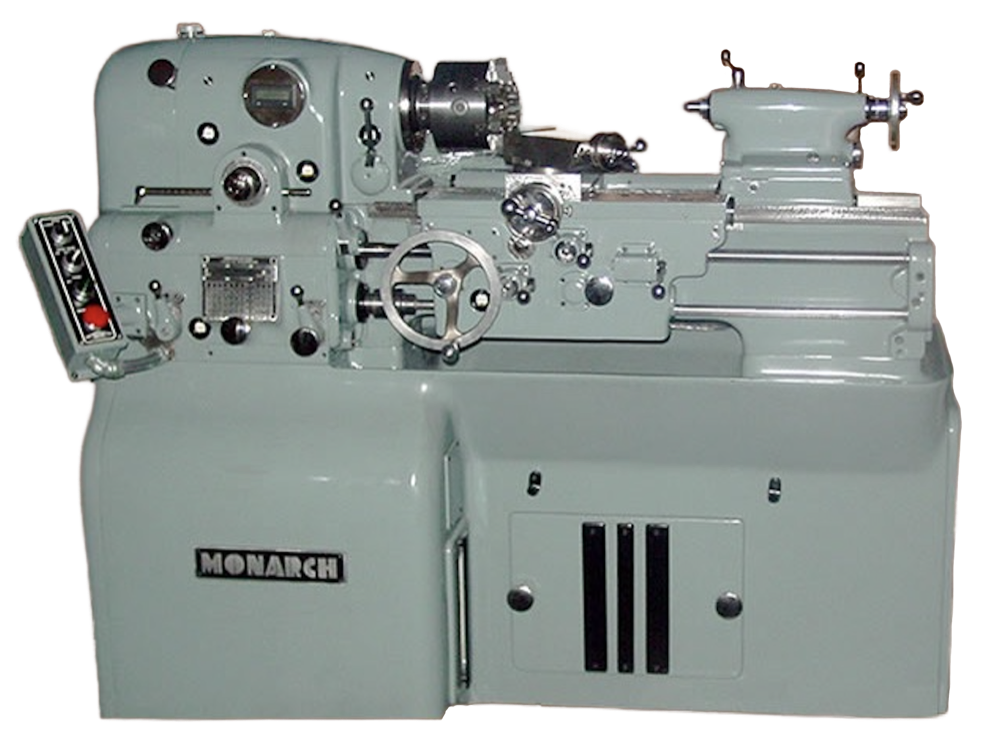
What does a full machine tool rebuild include?
A full machine tool rebuild at Cavco covers six areas, from evaluation and inspection through the ways and slides, the spindle and its bearings, the screws and drive train, and the hydraulic, lubrication and coolant systems, to the electrical system. Each is evaluated on every rebuild, and the geometry the machine finishes on is recorded and handed over with it.
Evaluation and inspection
The machine comes apart far enough to determine what is actually worn and what needs attention. What we find is what we quote. Guessing at this stage is one of the main reasons rebuild costs go wrong.
Ways and slides
Reground or precision scraped as required, with way liners in Turcite, Moglice or Rulon where the amount of metal to come off and the hardness of the ways call for them. This is what restores the geometry. Each axis is restored on its own, then brought back into alignment with the others using lasers and electronic levels.
Spindles and bearings
Evaluated for runout, heat, noise and overall condition to decide between rebuilding and replacement. When the spindle goes back in, it is aligned to the machine, not simply made true to itself.
Screws, nuts and drive train
Backlash and lost motion measured. Screws and nuts rebuilt or replaced, properly preloaded, and aligned with the ways. Gearboxes, couplings, drives and the parts around them inspected, rebuilt or replaced, then reinstalled and aligned.
Hydraulic, lubrication and coolant systems
Inspected for wear, leaks, contamination and proper operation. Pumps, valves, lines, metering units and the rest cleaned, repaired, rebuilt or replaced. The lubrication system gets particular attention, because proper oil delivery is what protects the surfaces just restored.
Electrical system
Inspected for condition, reliability and proper operation. Motors, drives, controls, switches and wiring evaluated and repaired or replaced as required. Where an older part is obsolete, we go through the replacement and upgrade options with you before proceeding.
On a horizontal boring mill the rebuild happens on your floor, one axis against the rest, as set out under boring mill repair.
The way surfaces themselves are restored by hand and power scraping, and where the ways are hardened and badly worn, by grinding them in place so the machine never leaves your floor. Those are the techniques inside a rebuild, not alternatives to one.
Most machines do not need a full teardown
Cavco rebuilds whole machines, and it also offers geometric rebuilds. A geometric rebuild can be done on an entire machine or on a single axis, depending on the condition of the equipment and what you need from it. It restores the geometry and accuracy of the machine’s axes through precision way grinding on our Favretto way grinder and precision scraping, and it includes an inspection of the machine’s screws and nuts and whatever else the axis needs, with a recommendation to repair or replace each.
A geometric rebuild is the service we are asked for most often, and the one most often quoted elsewhere as a much larger rebuild than necessary. On very large machines, horizontal boring mills among them, most of the rebuild can be done on your floor, which saves significant downtime and cost. Where the ways are hardened and badly worn, we restore the way surfaces with our portable way grinding process, grinding them in place so the machine never leaves your floor.
When a machine is worn throughout, a full rebuild is the right answer and we will recommend one. But we will not sell you a full rebuild to avoid finding out what the machine actually needs. We evaluate the machine, find the source and the extent of the wear, and recommend the work that restores its geometry and accuracy.
A fleet is best rebuilt on a rotation
Where a plant runs several of the same machine, the best way to buy this work is in turn, on a cycle, rather than when one of them fails an inspection. A rotation keeps the whole fleet inside tolerance, spreads the cost across years instead of landing it in one, and turns an emergency into a scheduled outage you chose the date for. Some of the machines we look after have come back on that basis every one to three years.
Toolroom and production lathes, Hardinge above all. Bridgeport and larger mills, boring mills from Wotan, Scharmann, DeVlieg and Giddings & Lewis. Bullard and other vertical turret lathes. Surface, cylindrical and specialty grinders from Brown & Sharpe, Mattison, Okamoto, Kellenberger and Studer. Broaching machines, their rams and their index tables. Press brakes. If yours is not here, ask.
Questions we get
- Six areas, evaluated on every full rebuild. Evaluation and inspection to find what is actually worn, the ways and slides reground or scraped and realigned to each other, the spindle and its bearings, the screws, nuts and drive train, the hydraulic, lubrication and coolant systems, and the electrical system. What we find is what we quote, and the geometry the machine finishes on is recorded and handed over with it.
- Restoring a slide, an axis or a table to specification against the rest of the machine, rather than taking the whole machine apart. The worn surfaces are brought back, the axis is realigned to every other axis, and the geometry is measured and recorded. It is the job most tool rooms need and the one most often quoted as something bigger.
- Usually not. A machine rarely wears out all at once. One axis carries the work and goes first, and putting that axis back to spec returns the accuracy without the cost and the downtime of a complete teardown. Where a machine really is worn through, we say so, and a full rebuild is the honest answer.
- Flatness, straightness, squareness and parallelism, checked against the machine's own original tolerances and against the other axes, not against how it felt before. We measure before, work to those numbers, and measure again at the end. You get the figures the machine finished on.
- Often, and it turns on the castings. An older machine tool was built heavy, and that mass and stiffness is what holds accuracy. When the iron is sound and only the wear surfaces have gone, a rebuild returns a machine that a new one at the same money will not match. When the iron is cracked or the machine was light to begin with, replacing it is the better answer and we will tell you that.
- Yes, and it is the way this work is best bought. Where a plant runs several of the same machine, rebuilding them in turn on a cycle keeps the whole fleet inside tolerance and turns an emergency into a schedule. Some of the machines we look after have come back every one to three years for that reason.
- Both, and the machine usually decides. Small and mid size machines come to our shop in Connecticut. Large machines that cannot be moved without weeks of downtime get rebuilt where they stand, including grinding the ways in place with a proprietary process.
Reviewed September 2026 by Cavco Machine Tool Rebuilding, LLC.
Tell us the machine and what it has stopped holding
Call, or send the make, model and serial number and what the geometry or the finish is doing. We answer the same day.